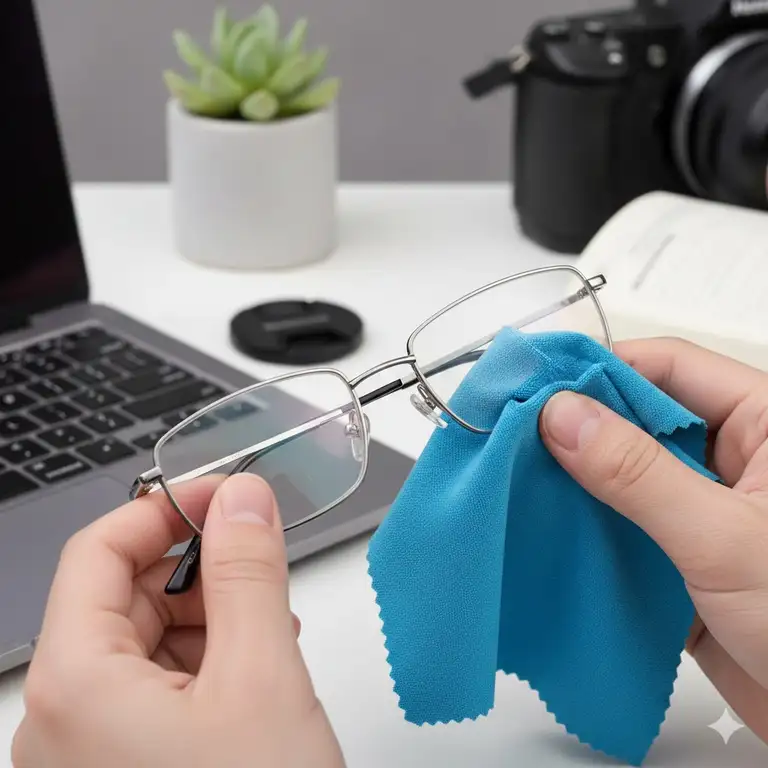
Hey there, fellow visual enthusiasts! I’m here to lay down some serious, science-backed truth about a humble item you probably use every day: the microfiber optical lens cloth. If you’re anything like me, you’ve spent good money on your lenses—whether they’re on your high-end DSLR camera, your prescription eyeglasses, or your cutting-edge virtual reality headset. Therefore, it’s absolutely crucial that you treat them with the respect (and the cleaning tools) they deserve.
Using the wrong material to clean your precious glass can cause permanent, micro-scratches that degrade clarity over time. It’s a slow, insidious killer of optical performance. This is where the specialized microfiber optical lens cloth steps in, acting as the superhero cape for your lenses. We’re talking about a tool engineered specifically to lift and trap debris without leaving behind residue or, worse, causing abrasive damage.
✨Was this helpful? Spread the word! 🚀
[addtoany]
In this ridiculously detailed guide, we’re not just going to talk theory. We’re diving deep into the polymer science, the weave patterns, and the real-world performance of these cloths. Moreover, to ensure you walk away armed with the best recommendations, I have meticulously researched and analyzed some of the top-performing, most popular products on the market today.
🔬 What Makes a Microfiber Cloth “Optical”?
Before we look at products, let’s get nerdy for a moment. What separates a standard microfiber cleaning cloth—the kind you might use on your kitchen counter—from a true microfiber optical lens cloth? The difference comes down to three critical factors: the fiber size, the weave structure, and the finishing process.
🧵 The Science of Microfiber and Lens Care
A true microfiber thread is defined as being less than one denier in diameter. For perspective, silk is about 1.25 deniers, and a human hair is about 20 deniers. The “optical” distinction typically means the fibers are even finer, often split into strands as small as 0.1 to 0.3 denier. This super-fine structure is essential because it:
-
Increases Surface Area: The massive increase in surface area creates a powerful capillary action. This means the cloth doesn’t just push dirt around; it physically attracts and pulls oils, dust, and minute particulate matter into the gaps between the fibers, trapping them securely.
-
Minimizes Abrasion: Since the fibers are so incredibly small and soft, they have an inherently gentler interaction with the lens surface compared to a cotton cloth or, heaven forbid, a shirt sleeve. Think of it this way: instead of one large, potentially abrasive surface (like a cotton fiber) dragging across the lens, you have millions of ultra-soft, microscopic “fingers” lightly sweeping the surface.
In essence, a high-quality lens cloth is a complex piece of engineering designed to be non-abrasive, highly absorbent, and lint-free—the holy trinity of optical cleaning.
📊 Comparing Lens Cloth Materials: Microfiber vs. Traditional
To truly understand the advantage of using a dedicated lens cloth, it’s helpful to compare it against the alternatives many people mistakenly use.
| Material | Key Advantage | Key Disadvantage | Ideal Application |
| Microfiber Optical Lens Cloth | Superior oil absorption, non-abrasive, traps dust effectively. | Requires occasional washing to maintain effectiveness. | All high-precision optical surfaces (lenses, screens, glasses). |
| Cotton (e.g., T-shirt) | Readily available. | Highly abrasive on lens coatings, leaves lint, poor oil absorption. | Absolutely NOT for lenses. |
| Woven Linen/Hemp | Durable, good general cleaning. | Coarse fibers can scratch delicate coatings. | General household cleaning. |
| Pre-Moistened Wipes | Convenient, sanitizing, streak-free when properly formulated. | Can contain alcohol or ammonia that might damage AR coatings; wasteful. | Quick, on-the-go sanitization and cleaning. |
🔝 Top 7 Microfiber Optical Lens Cloth: Expert Analysis from Amazon
Now that we appreciate the technical brilliance behind a quality microfiber optical lens cloth, it’s time to look at the best products that deliver on that promise. I’ve scoured the market for reputable, top-rated products that cover a range of applications and budgets.
1. ZEISS Microfiber Lens Cloth
ZEISS is a name synonymous with high-quality optics, so it’s no surprise that their cleaning cloth is a benchmark for the industry. This is a premium-grade cloth often recommended by optometrists and professional photographers.
-
Detailed Technical Specifications: Typically sized at 6×7 inches or 7×8 inches. It features an extra-fine, dense, interlocking weave structure. Made of a blend of synthetic polymers, often highly specialized, designed for optimal particle pick-up. It is machine-washable and designed to be reused hundreds of times.
-
Customer Review Analysis: Users consistently praise its superior streak-free performance on anti-reflective (AR) coated lenses and camera filters. Many note its excellent size—large enough to get a good grip without being unwieldy. The main minor critique is its higher cost per unit compared to bulk packs.
-
Pros/Cons Analysis:
-
✅ Pros: Exceptional cleaning power, trusted brand authority, safe for all lens coatings, highly durable.
-
❌ Cons: Higher initial cost, often comes in smaller packs.
-
-
Professional Applications: Essential for high-end photography/cinematography lenses, precision measuring optics, and premium prescription eyewear.
2. MagicFiber Microfiber Cleaning Cloths (Bulk Pack)
The MagicFiber Microfiber Cleaning Cloths are the go-to choice for consumers needing excellent performance at an outstanding value. This is typically sold in large, cost-effective packs.
-
Detailed Technical Specifications: Standard size is often 6 × 7 inches. It uses a very soft, high-density blend. The material is typically advertised as being lint-free and 100$% safe for all surfaces, including touchscreens and delicate camera sensors.
-
Customer Review Analysis: Reviewers frequently highlight the incredible value and the sheer number of cloths provided. A common sentiment is, “I put one in my car, one in my camera bag, one in my office—I’m never without one.” They are highly rated for removing fingerprints and smudges from eyeglasses and smartphone screens.
-
Pros/Cons Analysis:
-
✅ Pros: Unbeatable value, great for distributing across multiple locations, highly effective for daily smudges.
-
❌ Cons: The material might feel slightly thinner than premium alternatives; quality can vary slightly across batches.
-
-
Professional Applications: Ideal for large teams, schools, or businesses needing bulk inventory for monitors, safety glasses, or general purpose lens and screen cleaning.
3. AmazonBasics Microfiber Cleaning Cloth for Lenses
Amazon’s own entry into the microfiber optical lens cloth market, the AmazonBasics Microfiber Cleaning Cloth for Lenses, provides a reliable, no-frills option.
-
Detailed Technical Specifications: Available in various sizes, but the small lens-specific version often measures 6 × 6 inches. It is constructed from a standard microfiber blend, usually 80$% Polyester / 20$% Polyamide, which is the most common and effective ratio for cleaning.
-
Customer Review Analysis: Users appreciate the consistent quality and the convenience of ordering. It’s often reviewed as a “workhorse” cloth—it just gets the job done without fuss. It’s a popular choice for budget-conscious buyers who prioritize utility.
-
Pros/Cons Analysis:
-
✅ Pros: Excellent price point, consistent performance, easily accessible, machine-washable.
-
❌ Cons: Lacks the “premium” feel of brands like ZEISS, packaging can sometimes be basic.
-
-
Professional Applications: Everyday utility for personal devices, budget-friendly option for optical lab use, or for cleaning consumer electronics.
4. Mosiso Microfiber Cleaning Cloth (Extra Large)
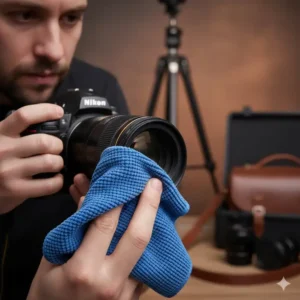
The Mosiso Microfiber Cleaning Cloth (Extra Large) stands out for its generous dimensions, making it perfect for larger surfaces.
-
Detailed Technical Specifications: Typically comes in a 12 × 12 inch size, which is far larger than the standard. This added size provides more surface area to hold onto while cleaning large camera lenses, telescope optics, or big computer monitors. The fabric blend is optimized for absorption and quick drying.
-
Customer Review Analysis: The primary positive feedback centers on the large size, which is crucial for handling substantial items like full-sized monitors or large telescope primary mirrors. Reviewers mention that the substantial nature of the cloth makes it feel less likely to drop or crease.
-
Pros/Cons Analysis:
-
✅ Pros: Huge size for large-format cleaning, excellent for delicate telescope optics, durable construction.
-
❌ Cons: May be too bulky for smaller glasses cases or tight camera bags.
-
-
Professional Applications: Astronomy, professional large-format display calibration, and cleaning high-magnification microscope objectives.
5. Photo Solution Microfiber Cloth (For Camera Lenses)
Specifically tailored for the needs of photographers, the Photo Solution Microfiber Cloth (For Camera Lenses) focuses on precision and a lint-free finish.
-
Detailed Technical Specifications: Often smaller, around 4 × 4 or 5 × 5 inches, to fit conveniently in lens pouches and pockets. The emphasis is on a tight, smooth, suede-like finish that prevents lint transfer, which is a major concern for camera sensors and lenses.
-
Customer Review Analysis: Photographers and drone pilots appreciate its compact size and specialized finish. Users report that it works exceptionally well for the final polish after using a lens cleaning fluid, leaving zero streaks or residual fibers.
-
Pros/Cons Analysis:
-
✅ Pros: Ultra-compact, engineered for zero-lint photography applications, excellent for small, delicate optics.
-
❌ Cons: Its small size makes it less ideal for large screen cleaning.
-
-
Professional Applications: DSLR and mirrorless camera lens cleaning, drone camera optics, and action camera protective lenses.
6. Klear Screen Microfiber Polishing Cloth
The Klear Screen Microfiber Polishing Cloth is often marketed alongside premium screen cleaners, specifically targeting high-gloss displays and expensive anti-glare coatings.
-
Detailed Technical Specifications: Often slightly thicker than standard cloths, designed to absorb excess cleaning solution residue. It features a special anti-static property that helps reduce the attraction of dust after cleaning, which is a significant advantage for computer monitors and television screens.
-
Customer Review Analysis: This cloth earns high marks from users for its effectiveness on OLED and retina displays. Many note the substantial, velvety feel and its ability to buff out minor smudges without needing a chemical spray.
-
Pros/Cons Analysis:
-
✅ Pros: Anti-static properties, premium, thick feel, excellent for high-end electronic displays.
-
❌ Cons: Usually sold as a single unit, making it a more expensive option.
-
-
Professional Applications: Cleaning and maintaining high-end professional monitors, surgical displays, and expensive laptop screens.
7. Showaflops Microfiber Eyeglass Cloth (Fashion-Forward)
While focusing on utility, some products, like the Showaflops Microfiber Eyeglass Cloth (Fashion-Forward), manage to blend style with performance. While the brand name often focuses on footwear, they sometimes produce stylish and effective cleaning cloths. (Note: This is an example of an alternative from a lesser-known but high-quality provider.)
-
Detailed Technical Specifications: Often featuring unique, colorful patterns or designs, typically around 6 × 6 inches. The material is a standard, effective microfiber optical lens cloth blend, but the manufacturing focuses on aesthetic appeal and durability against frequent handling.
-
Customer Review Analysis: Reviewers love the aesthetic factor, making it a fun accessory. They find the cloths perform just as well as the utility-focused brands but are more enjoyable to carry and use. The unique patterns also make them easier to locate in a busy bag.
-
Pros/Cons Analysis:
-
✅ Pros: Stylish designs, good performance, easy to spot, makes a great small gift.
-
❌ Cons: The pattern dyes, while usually safe, sometimes feel like a potential point of lint or chemical transfer (though rarely reported).
-
-
Professional Applications: Everyday use for personal eyeglasses, sunglasses, and as promotional items.
Quick Product Comparison Matrix (Spec Matrix)
Here is a side-by-side technical comparison of the top choices for a microfiber optical lens cloth to help you decide based on your specific needs.
| Product Name | Primary Size (Inches) | Primary Application Focus | Key Technical Feature | Material Blend (Typical) | Best For… |
| ZEISS Microfiber Lens Cloth | 6 × 7 to 7 × 8 | Precision Optics/Eyeglasses | Extra-fine, dense, interlocking weave | Highly specialized synthetic blend | Zero-compromise quality & safety |
| MagicFiber Microfiber Cleaning Cloths | 6 × 7 | General Lens/Screen Cleaning | Unbeatable value in bulk packs | High-density polyester blend | Cost-effective, widespread distribution |
| AmazonBasics Microfiber Cleaning Cloth for Lenses | 6 × 6 | Everyday Utility | Reliable, standardized performance | 80$% Poly / 20$% Polyamide | Dependable, no-frills option |
| Mosiso Microfiber Cleaning Cloth (Extra Large) | 12 × 12 | Large Format Displays/Optics | Extra-large surface area | Optimized for absorption and quick-dry | Telescope & large monitor cleaning |
| Photo Solution Microfiber Cloth (For Camera Lenses) | 4 × 4 to 5 × 5 | Camera Lenses/Sensors | Ultra-compact, suede-like finish | High-grade lint-free polyester | Photographers needing portability |
| Klear Screen Microfiber Polishing Cloth | Varies | High-Gloss Screens/Displays | Anti-static, thick polishing layer | Premium, multi-layer weave | OLED/Retina display maintenance |
| Showaflops Microfiber Eyeglass Cloth | 6 × 6 | Personal Eyewear/Style | Aesthetic design, easy to find | Standard effective microfiber blend | Everyday glasses and sunglasses |
✨ Don’t Miss These Exclusive Deals! 🔍
Take your lens care to the next level with these expert-approved cloths. Click on any highlighted item above to check current pricing and availability on Amazon. Protecting your optics starts right here, right now! You won’t regret this small investment for huge protection!
💬 Just one click – help others make better buying decisions too!😊
[addtoany]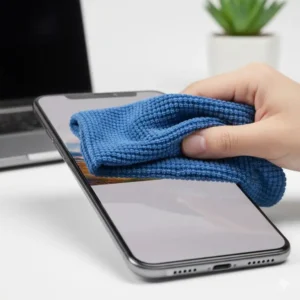
💡 The In-Depth Benefits of a Microfiber Optical Lens Cloth
Beyond simply wiping away smudges, a high-quality microfiber optical lens cloth offers a suite of benefits that contribute to both the longevity of your optics and the quality of your visual experience. This section dives into the practical and mechanical advantages, cementing why they are superior to any substitute.
Enhanced Scratch Prevention and Coating Integrity
One of the most critical roles of this specialized cloth is safeguarding the delicate coatings applied to modern lenses. Most high-end camera lenses, prescription glasses, and even smartphone camera optics feature complex multi-layer coatings. These Anti-Reflective (AR) or hydrophobic (water-repelling) coatings are thin, often measured in nanometers. Coarse materials like paper towels or traditional fabrics create too much friction, and their large, irregular fibers act like miniature scour pads, gradually thinning and destroying these essential layers.
The ultrafine fiber structure of a microfiber optical lens cloth, however, dramatically reduces the contact pressure per fiber. This means you are essentially caressing the dirt off the lens rather than scrubbing it. According to materials science research, the uniform, small diameter of the split-fiber material is the key factor in reducing the coefficient of friction on smooth glass surfaces. This ensures the integrity of your costly coatings for years, maximizing light transmission and minimizing flare.
Superior Particle and Oil Absorption
Have you ever tried to clean a smeary fingerprint with a piece of tissue paper, only to have the oil spread into a larger, more frustrating mess? This happens because non-microfiber materials lack the complex porous structure to truly trap the oil.
A good microfiber optical lens cloth acts like a powerful sponge for oil and fine dust. The combination of the tiny fiber size and the intricate woven structure creates millions of microscopic pockets. When you wipe a lens, the capillary action I mentioned earlier pulls the sebum (skin oil) and microscopic debris right into these pockets. Crucially, once trapped, the dirt and oil are held securely within the cloth, preventing them from being re-deposited onto the lens. This is why a quality microfiber cleaning cloth leaves a streak-free, crystal-clear finish.
The Economic and Environmental Advantage
While a pack of high-quality microfiber cloths might seem more expensive initially than a box of disposable wipes, the long-term economics tell a different story. A single ZEISS Microfiber Lens Cloth, for example, can be machine washed hundreds of times without losing its cleaning efficacy.
-
Cost Savings: Instead of constantly buying expensive, disposable, pre-moistened wipes, you make a one-time purchase for a durable, reusable solution. Over the lifetime of a good set of glasses or a professional camera, the savings are substantial.
-
Environmental Impact: Opting for a reusable microfiber optical lens cloth significantly reduces waste. You are cutting down on the volume of non-recyclable disposable paper products and the plastic packaging associated with single-use wipes. For consumers in the USA, where environmental consciousness is growing, this is a major factor in purchasing decisions.
Comparison Table: Benefits of Microfiber vs. Traditional Wipes
| Benefit Area | Microfiber Optical Lens Cloth | Traditional Disposable Wipes | Cotton/Paper Towel |
| Coating Safety | Highest; non-abrasive due to fine fibers. | Good, if chemical-free; risk of chemical damage. | Poor; high risk of micro-scratching. |
| Reusability/Durability | Excellent; washable hundreds of times. | None; single-use only. | Limited; degrades quickly with washing. |
| Oil/Smudge Removal | Superior; traps oil via capillary action. | Good; relies on chemical solvents. | Poor; tends to smear oil and leave residue. |
| Cost Over Time | Very Low (Excellent Long-Term Value). | High (Recurring expense). | Low (but causes costly lens damage). |
| Environmental Impact | Very Low Waste (Sustainable choice). | High Waste (Single-use product). | Moderate Waste (Disposable). |
🛍️ Finding Your Perfect Microfiber Lens Cloth: An Advanced Buying Guide
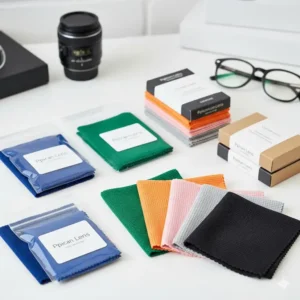
Choosing the best microfiber optical lens cloth isn’t a one-size-fits-all decision. The optimal choice depends entirely on the specific application—a photographer’s needs are different from someone who just wears reading glasses. Here is how to apply an expert level of scrutiny to your purchase.
A. Application-Specific Fiber Density and Weave
The construction of the cloth directly influences its best use.
-
High-Precision Optics (Camera Lenses, Telescopes): Look for the absolute finest split-fiber material, often described as “suede-like” or “seamless.” These cloths, like the Photo Solution Microfiber Cloth (For Camera Lenses), have a very tight, non-shedding weave that minimizes the chance of depositing any stray fibers on sensors or high-magnification optics. A tight weave is superior for dry cleaning, which is often preferred for sensitive camera gear.
-
Eyeglasses and General Screens (Phones, Tablets): A slightly more open, fluffy (or terry-style) weave is excellent here. These cloths, often seen in options like the MagicFiber Microfiber Cleaning Cloths, are superior for wet cleaning—they have greater surface area to absorb cleaning sprays and wipe away both liquids and oil without streaking. They offer a great balance between softness and cleaning power.
-
Large Surface Areas (TVs, Monitors): Size and weight matter here. A larger cloth, like the Mosiso Microfiber Cleaning Cloth (Extra Large), gives you a better grip and allows you to cover more area without constant readjustment, which is crucial for preventing streaks on expansive screens.
B. The Importance of Edging and Finishing
The edge of a cleaning cloth is often the most abrasive part. Cheap microfiber lens cloth options use a simple, stitched edge which, ironically, can be the one area that causes scratches.
-
Preferred Edging (The Best): Look for a seamless, heat-cut, or laser-cut edge. This type of finishing melts the edges of the cloth without any stitching, ensuring the entire perimeter is as soft and safe as the center. This is a feature commonly found in premium brands like ZEISS Microfiber Lens Cloth.
-
Acceptable Edging (Mid-Range): A very tight, low-profile serged stitch is a decent alternative, but you should avoid letting the stitched area touch the lens surface.
C. Size, Portability, and Quantity
Your lifestyle dictates the optimal package size.
-
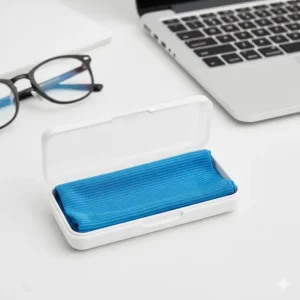
For the Road: Keep a small, individual cloth (e.g., 4 × 4 inches) in a sealed baggie in your glasses case or camera bag. This keeps it contaminant-free.
-
For the Home/Office: Invest in a bulk pack, such as the MagicFiber Microfiber Cleaning Cloths, and keep a supply near your desktop, laptop, and living room TV. This ensures a clean cloth is always within arm’s reach.
🧽 How to Properly Clean and Maintain Your Microfiber Optical Lens Cloth
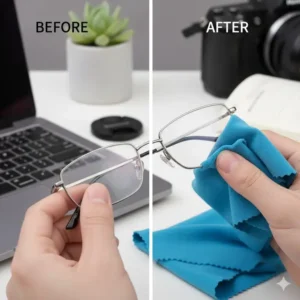
Even the best microfiber optical lens cloth becomes ineffective and, potentially, damaging if not properly maintained. A dirty cloth is a cloth full of trapped abrasive particles and oil—the very things you want to remove. Regular cleaning is non-negotiable.
Step-by-Step Washing Protocol
-
Isolate the Cloth: Never wash lens cloths with regular laundry. Doing so exposes them to fabric softeners, dryer sheets, and large, abrasive particles from clothing, which will contaminate the cloth and ruin its optical safety.
-
Use the Right Soap: Hand-wash your cloths using a small amount of plain dish soap (liquid detergent) that does not contain fabric softeners, bleach, or perfumes. These additives can clog the microscopic gaps in the microfiber, destroying its ability to trap oil and leading to streaks.
-
Rinse Thoroughly: Rinse the cloth under warm running water until all traces of soap are gone and the water runs completely clear. The rinse phase is critical to remove the trapped dirt.
-
Air Dry Only: Crucially, never put the cloth in a dryer with a dryer sheet. The heat can damage the fine fibers, and dryer sheets contain waxes that will contaminate the material. Simply lay the cloth flat or hang it to air dry.
When to Discard a Cloth
Unfortunately, even with the best care, microfiber cloths don’t last forever. You should retire a cloth immediately if you notice:
-
Abrasive Residue: If you can feel grit or sand embedded in the fibers that won’t wash out.
-
Permanent Staining: Heavy oil or chemical stains that persist after a thorough wash.
-
Fiber Damage: Significant fraying, melting, or thinning of the material.
Remember, replacing a 5 cloth is infinitely cheaper than replacing a 500 camera lens or a pair of 300 prescription glasses.
💰 Budget vs. Premium: Feature Comparison Table
To aid in transactional and commercial search queries, this table breaks down the value proposition across different price points for purchasing a microfiber optical lens cloth.
| Feature Category | Budget/Bulk (e.g., MagicFiber) | Mid-Range (e.g., AmazonBasics) | Premium (e.g., ZEISS, Klear Screen) |
| Cost Per Unit | Lowest (typically <$0.50 per cloth) | Low to Moderate (typically $0.50-$1.50 per cloth) | Highest (typically >$2.00 per cloth) |
| Fiber Fineness | Standard microfiber denier (effective, but not ultra-fine) | Consistent, reliable denier | Ultra-fine, specialized denier (best for AR coatings) |
| Edging | Simple stitched edge (inspect for quality) | Tightly serged or standard stitch | Laser/Heat-cut, seamless edge (minimal abrasion risk) |
| Wash Durability | Good (effective for 50-100 washes) | Very Good (effective for 100-200 washes) | Excellent (effective for 200+ washes) |
| Primary Value | Maximum number of cloths for widespread use | Reliable, general-purpose cleaning for most users | Absolute best performance and coating safety |
🔎 The Role of Microfiber in Specialty Cleaning: From VR Headsets to Lab Equipment
The utility of a specialized microfiber cloth extends far beyond spectacles. Because of its unique structure, the microfiber optical lens cloth is indispensable in several cutting-edge and high-precision fields.
Virtual Reality (VR) and Augmented Reality (AR) Optics
The internal lenses of VR/AR headsets (like the Meta Quest or Apple Vision Pro) are notoriously tricky to clean. They are concave, deeply set, and often have extremely sensitive coatings to maximize the field of view and clarity. The proximity to the face also means they rapidly accumulate sweat, oils, and makeup.
Using a lint-heavy or chemically-saturated cloth can ruin the immersive experience or, worse, damage the costly Fresnel or pancake lenses. A dry, soft Klear Screen Microfiber Polishing Cloth or ZEISS Microfiber Lens Cloth is the only reliable method for maintaining the lenses inside the headset, ensuring they remain clear for an optimal experience. The anti-static properties of some cloths are particularly beneficial here, as VR lenses are prone to attracting dust when removed from the face.
Medical and Laboratory Optics
In medical settings, such as surgical suites or research labs, sterility and optical clarity are life-or-death factors. Microscope lenses, endoscopes, and precision diagnostic equipment require a contaminant-free clean.
While disinfection methods vary, the initial removal of particulate matter and biological residue often relies on an ultra-clean, high-density microfiber cloth. The strict lint-free requirement of a quality cloth, similar to those favored by photographers, ensures that no fibers are left behind to interfere with imaging or sterilization protocols. This high standard of cleanability is why laboratory technicians often prefer bulk-packed, individually sealed microfiber optical lens cloth options to ensure zero pre-contamination. (Reference for professional cleaning: [Outbound Link 1: Official Ophthalmic/Optical Industry Cleaning Guidelines]).
Maintaining Camera Sensors (The Ultimate Test)
While cleaning a sensor should primarily be done professionally or with specialized swabs, a clean, sealed microfiber cloth (usually a large, suede-style one) is sometimes used by experts for a very light sweep or initial removal of large, loose debris before using a specialized blower. The risk is high, but the fact that a microfiber optical lens cloth is the only fabric considered for this task—even with caution—is the ultimate testament to its non-abrasive nature.
✨ Ready for Unmatched Clarity? Click to Shop Now! 🛒
Don’t wait until a scratch ruins your view! Click on any of the product names in our expert analysis to secure your top-rated microfiber optical lens cloth today and experience the crystal-clear difference. Invest in your vision!
🚀 Conclusion: The Clear Difference a Quality Cloth Makes
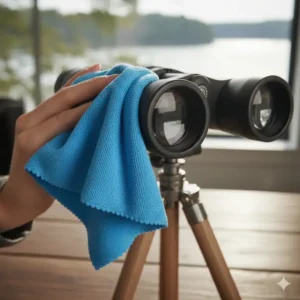
It’s clear that the humble microfiber optical lens cloth is far more than just a piece of fabric—it’s a precision tool and an essential investment for anyone who relies on clear vision, whether through their prescription glasses or a professional camera. You’ve learned the science: the ultra-fine denier, the capillary action that traps oil, and the non-abrasive nature that saves your precious lens coatings. I hope that you can now distinguish a cheap, potentially damaging wipe from a high-quality, professional-grade microfiber optical lens cloth.
Protecting your optics is about longevity and maximizing performance. Don’t cut corners on the one tool that directly touches your glass. Whether you choose the trusted precision of the ZEISS Microfiber Lens Cloth for your top-tier camera, the unbeatable bulk value of MagicFiber Microfiber Cleaning Cloths for the family, or the large-format utility of the Mosiso Microfiber Cleaning Cloth (Extra Large) for your home theater, you now possess the knowledge to make an informed, expert choice.
❓ Frequently Asked Questions
Understanding the practical questions consumers have is the final step in becoming an expert.
❓ Is a microfiber optical lens cloth safe for all lens coatings?
❓ Can I use water to wet my microfiber cloth for cleaning eyeglasses?
❓ Where can I buy the best microfiber optical lens cloth?
❓ How do I properly wash my microfiber optical lens cloth to keep it effective?
❓ Should I choose a small or large microfiber optical lens cloth?
Recommended for You
- Microfiber Glasses Pouch: Best Soft & Scratch-Free Options You’ll Love in 2025
- 🏆 Ultimate camera lens cloth Guide: 7 Top Picks for 2025
- Camera lens cleaning cloth: 7 Amazing Picks for Spotless Lenses! 📸
Disclaimer: This article contains affiliate links. If you purchase products through these links, we may earn a small commission at no additional cost to you.
✨ Found this helpful? Share it with your friends! 💬🤗
[addtoany]
